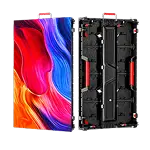
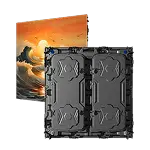
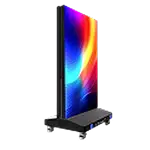
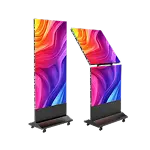
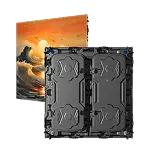
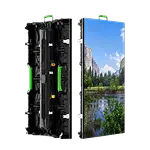
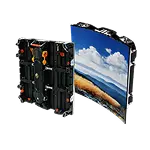
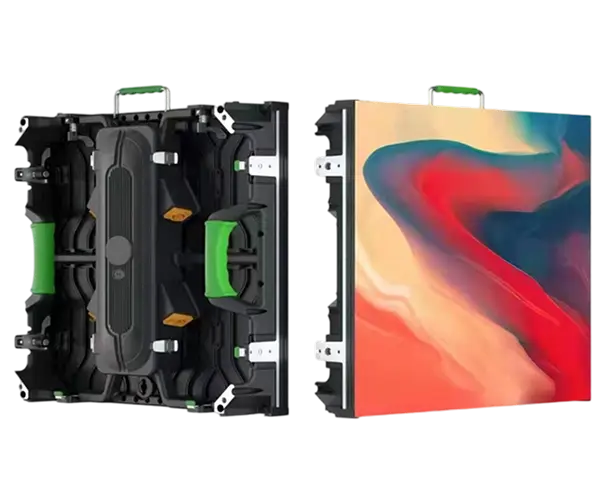
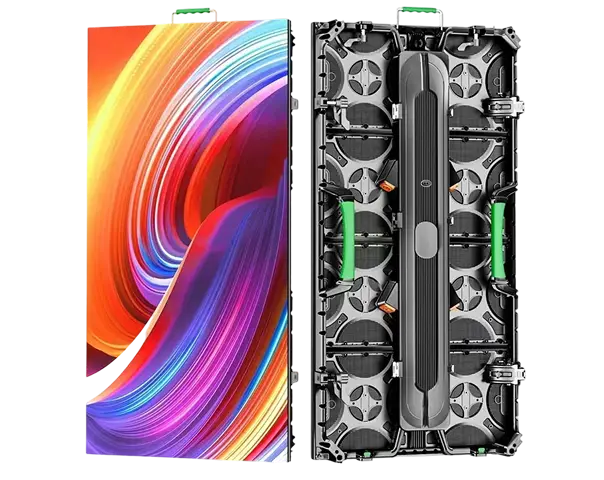
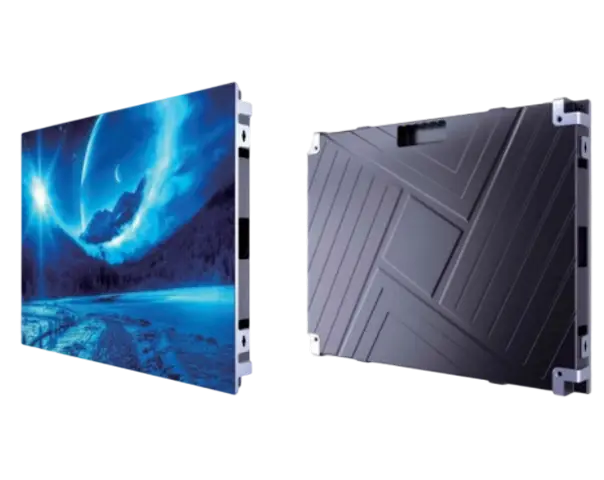
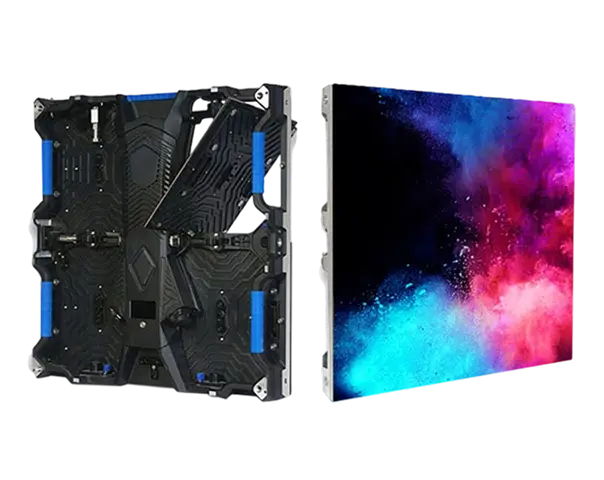
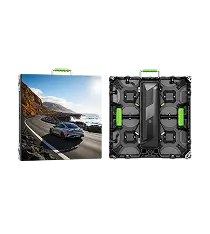
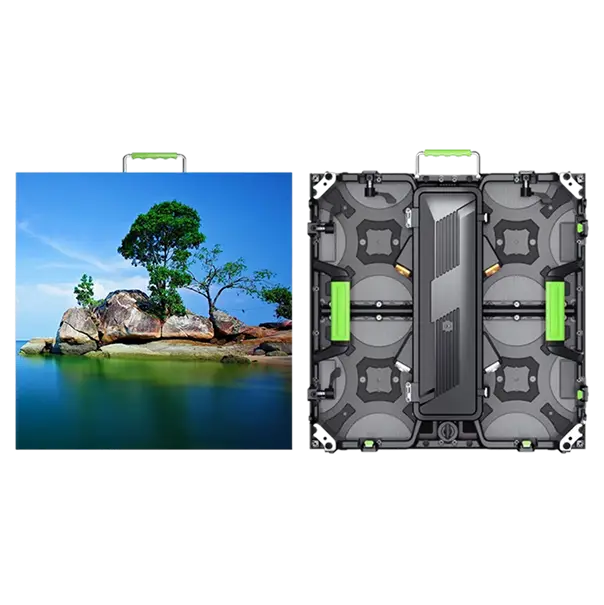
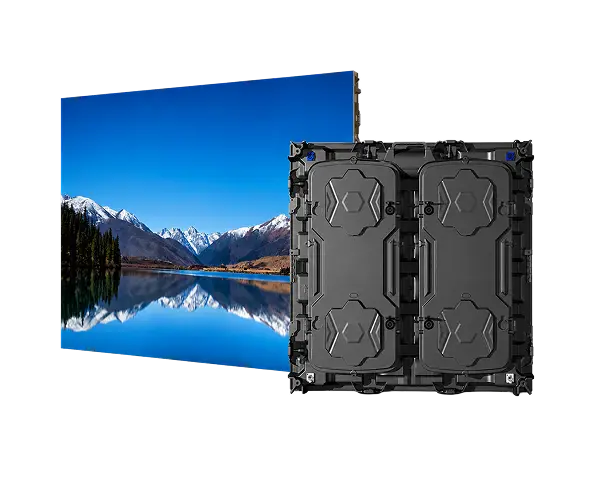
Explore professional LED display screens for indoor and outdoor projects, offering multiple pixel pitches, vivid image quality, flexible installation, and reliable performance.
Professional LED Display Screens Product Knowledge
Learn about LED display screen structures, pixel pitch, brightness, control systems, installation, and performance to select the right screen for professional applications.
How LED Display Screens Work
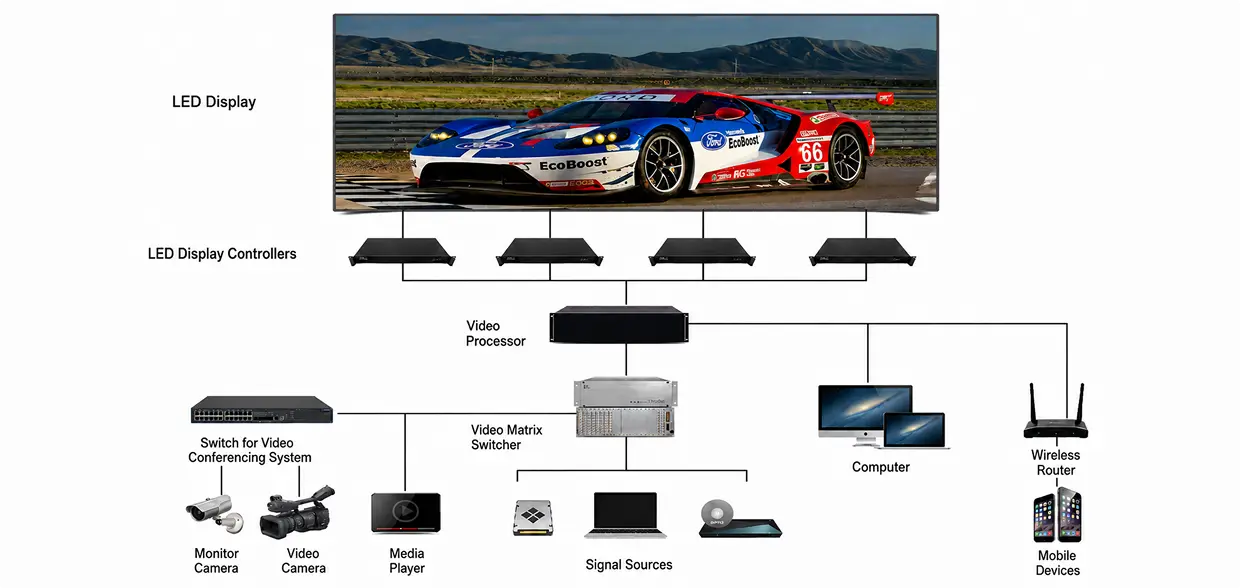
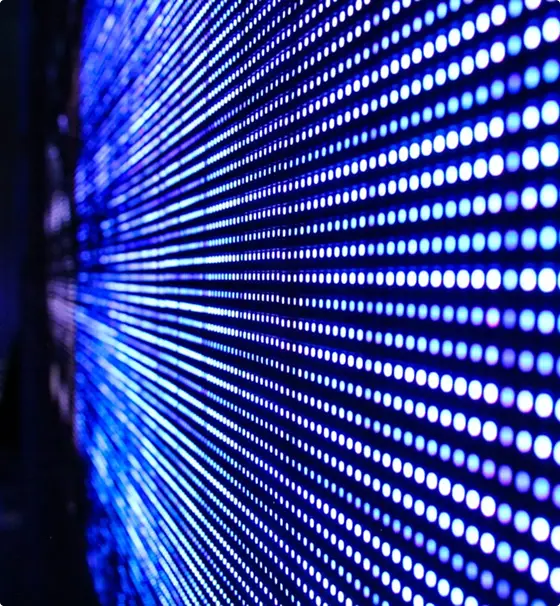
LED display screens use arrays of LED pixels, control systems, and power modules to convert digital signals into bright images, videos, and text for real-time visual communication.
01
RGB LED Pixels
LED pixels combine red, green, and blue light to produce vivid colors, detailed images, videos, and text on screen.
02
Signal Processing
A receiving card processes digital signals and sends image data across LED modules for accurate, synchronized display.
03
Power Management
Power supplies convert and distribute electricity to LED modules and control parts for stable, continuous operation.
04
Modular Structure
LED modules and cabinets connect to form larger screens with flexible sizes and layouts for different installations.
What Is LED Display Screens
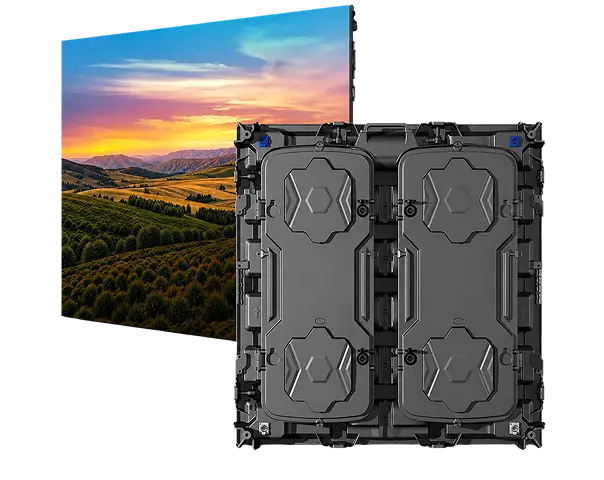
LED display screens are modular digital display systems made of light-emitting diodes that present videos, images, text, and live content with high brightness and scalable sizes.
LED Pixel System
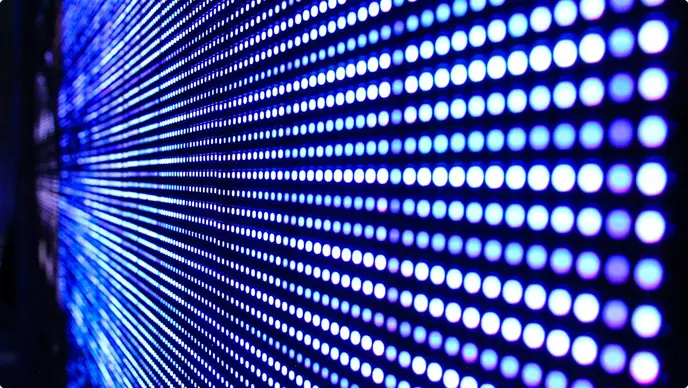
LED pixels generate red, green, and blue light that combines to create full-color images, videos, graphics, and text.
Modular Design
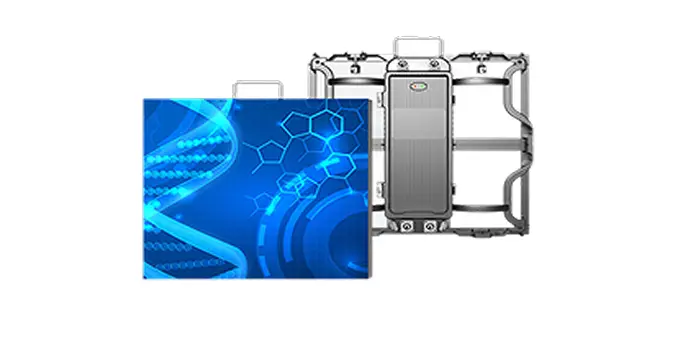
LED modules combine pixels and circuits into modular units that can be assembled into screens of different sizes.
Cabinet Structure
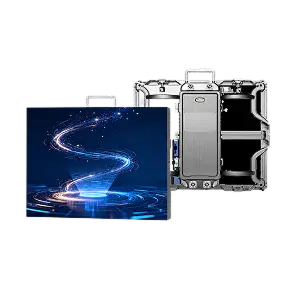
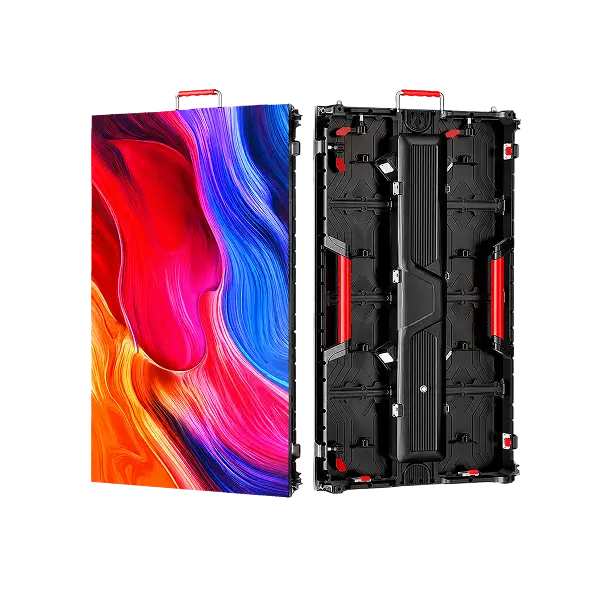
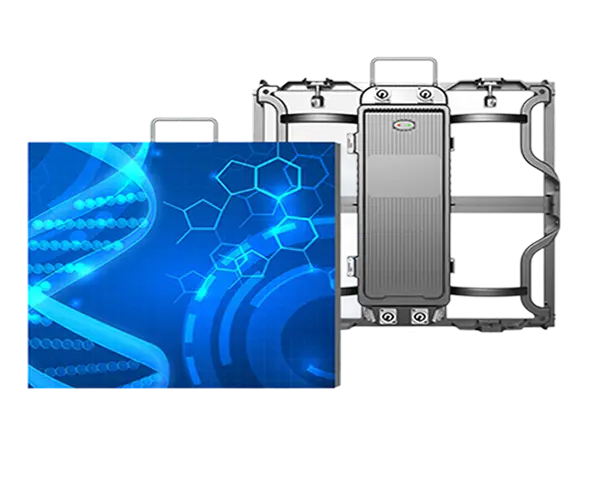
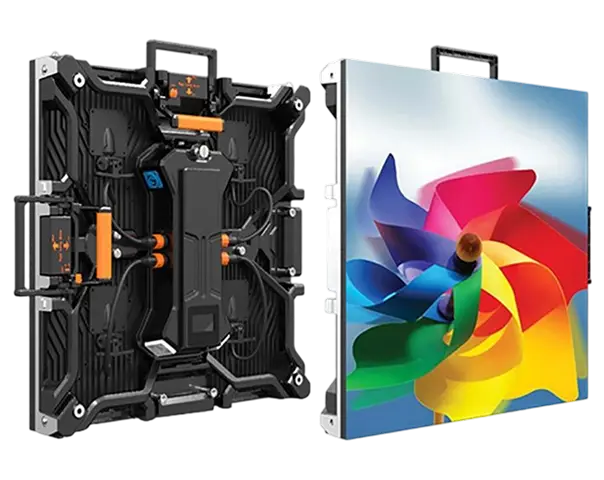
LED cabinets connect and support multiple modules, creating stable screen structures for indoor and outdoor use.
Quality Standards
LED Display Screens Product Quality Standards
LED display screen quality standards cover brightness, color consistency, refresh rate, structural accuracy, stability, and durability to ensure dependable visual performance.
Display Panel Quality & Brightness Standard
High-quality LED panels require uniform brightness, accurate color, consistent modules, and suitable luminance levels to deliver clear, balanced visuals across the entire screen.
Brightness Uniformity
Consistent brightness across every LED module ensures balanced images, reduces visible variations, and delivers clear viewing across the screen.
Color Consistency
Precise LED calibration maintains consistent colors between modules, producing natural images and smooth visual transitions across the display.
Contrast Performance
High contrast improves image depth and detail by creating clearer differences between bright and dark areas for better visual performance.
Pixel & Module Quality
Carefully selected LEDs and precise module assembly help maintain pixel consistency, image clarity, and reliable display performance.
Outdoor Brightness
≥5,000 nits
Outdoor Brightness
≥5,000 nits
Outdoor Brightness
≥5,000 nits
Outdoor Brightness
≥5,000 nits
System Stability & Performance Testing
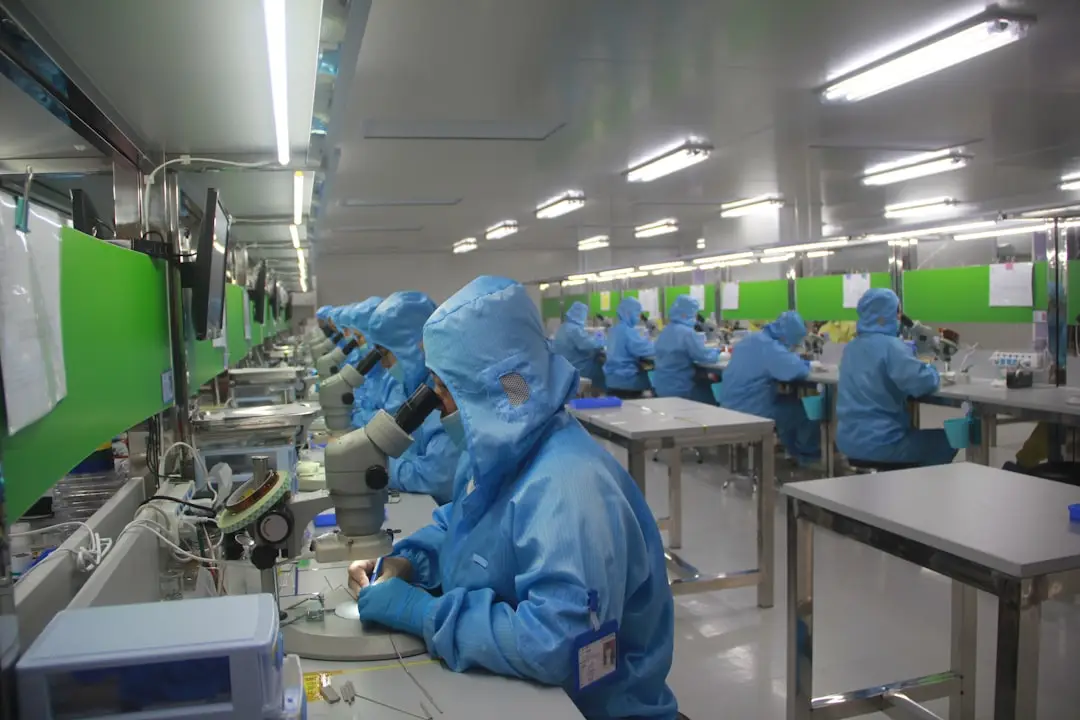
LED display systems undergo stability and performance testing for continuous operation, signal transmission, power supply, heat control, and image output to ensure reliable performance.
Continuous Operation Testing
LED displays undergo extended operating tests to evaluate image stability, module performance, power delivery, and system reliability. Continuous testing helps identify potential faults and ensures dependable operation during long-term commercial use.
Signal Transmission Testing
Control systems, receiving cards, and signal connections are tested to ensure accurate data transmission and synchronized image output. Stable communication helps prevent flickering, image interruptions, and inconsistent content across the LED screen.
Power Supply & Load Testing
Power supplies and electrical circuits are tested under operating loads to verify stable voltage distribution, efficient power delivery, and reliable module operation. Proper load testing helps reduce electrical faults during continuous display operation.
Thermal Performance Testing
LED modules, cabinets, and power components are evaluated under operating conditions to monitor heat generation and dissipation. Effective thermal management supports stable brightness, protects components, and improves long-term system reliability.
CONTACT US FOR EXPERT CONSULTATION
Let us know your requirement. We will connect best products with you.
Download Now
Complete the form below to access your download instantly.
*We respect your confidentiality and all information is protected.

 English