


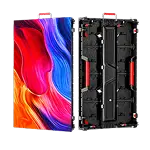
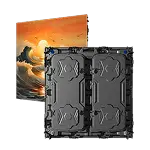
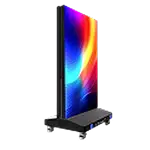
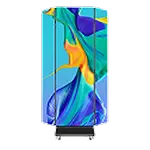
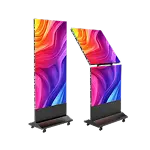

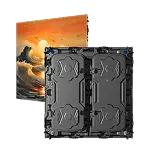
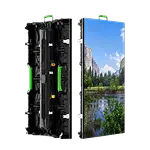

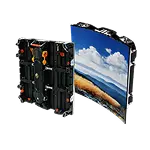
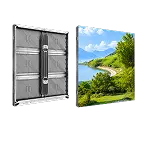
Energy-saving LED Display Screen Product Catalog
Explore energy-saving LED displays designed for lower power consumption, high brightness, stable operation, and long-term use in advertising, stadiums, highways, and commercial projects.
- Products


Product Knowledge
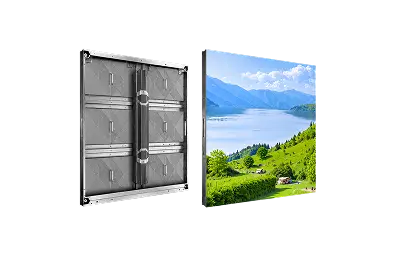
Energy-saving LED Display Screen Product Knowledge
Learn about energy-saving LED display technologies, power management, brightness, thermal control, system efficiency, and selection factors for long-term commercial use.
Core Functions of Energy-saving LED Display Screen
Energy-saving LED displays reduce power consumption while maintaining bright, stable visuals through efficient power design, thermal control, and optimized system operation.
Efficient Power Management
Energy-saving LED displays use optimized power architecture to reduce electricity use while maintaining stable brightness and image quality. Efficient voltage distribution helps lower operating costs for displays that run for long daily periods.
Reduced Thermal Load
Improved power efficiency reduces unnecessary heat during operation, helping electronic components work under more stable conditions. Lower thermal load can support consistent performance and reduce cooling demands in long-running projects.
Stable Visual Performance
Energy-saving LED displays maintain bright, clear visuals while managing power more efficiently. This balance supports outdoor advertising, stadiums, highways, and commercial installations where visibility and long operating hours are both important.
Energy-saving LED Display Screen Applications
Energy-saving LED displays suit outdoor billboards, highways, stadiums, commercial buildings, and long-running installations where lower operating costs matter.
Outdoor Billboards
Energy-saving LED displays suit outdoor billboards that operate for extended hours. Lower power consumption helps control electricity costs while bright visual output keeps advertising content clear in busy commercial environments.
Outdoor Billboards
Energy-saving LED displays suit outdoor billboards that operate for extended hours. Lower power consumption helps control electricity costs while bright visual output keeps advertising content clear in busy commercial environments.
Highways & Roadside Screens
Highway and roadside LED screens require long operating periods and strong visibility. Energy-saving technology reduces power demand while supporting clear information, advertising, and public messaging across transportation routes.
Highways & Roadside Screens
Highway and roadside LED screens require long operating periods and strong visibility. Energy-saving technology reduces power demand while supporting clear information, advertising, and public messaging across transportation routes.
Stadium Advertising
Energy-saving LED displays support stadium advertising, score information, and sponsor content during long events. Efficient power management helps reduce operating demand while maintaining vivid visuals for audiences and broadcasts.
Stadium Advertising
Energy-saving LED displays support stadium advertising, score information, and sponsor content during long events. Efficient power management helps reduce operating demand while maintaining vivid visuals for audiences and broadcasts.
Commercial & Public Spaces
Commercial buildings and public spaces can use energy-saving LED displays for long-term digital signage and information. Lower power consumption supports continuous operation while reducing energy costs across large or frequently used installations.
Commercial & Public Spaces
Commercial buildings and public spaces can use energy-saving LED displays for long-term digital signage and information. Lower power consumption supports continuous operation while reducing energy costs across large or frequently used installations.
Outdoor Billboards
Highways & Roadside Screens
Stadium Advertising
Commercial & Public Spaces
Quality Standards
Energy-saving LED Display Screen Product Quality Standards
Energy-saving LED display quality standards focus on power efficiency, brightness, color consistency, thermal control, electrical stability, and reliable long-term operation.
Display Panel Quality & Brightness Standard
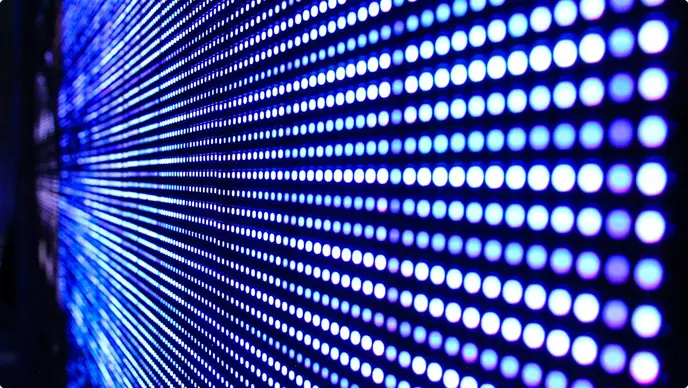
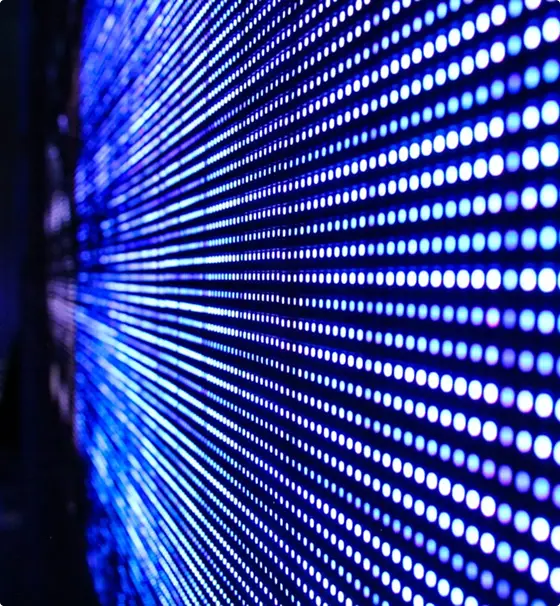
Quality energy-saving LED panels require high brightness, uniform colors, efficient power use, high refresh rates, and consistent output for clear and energy-efficient operation.
Brightness Efficiency
Efficient LED components deliver strong brightness with optimized power use, supporting clear visuals while reducing unnecessary energy consumption.
Brightness Uniformity
Consistent brightness across LED modules reduces visible differences and maintains balanced image quality throughout large display surfaces.
Color Consistency
Precise LED calibration maintains uniform colors across modules, supporting natural images and consistent branded content during long-term operation.
High Refresh Performance
High refresh rates provide smooth video and camera-friendly images while maintaining stable visual performance for professional applications.
Outdoor Brightness
≥5,000 nits
Refresh Rate
≥3,840 Hz
Color Processing
16-bit
Brightness Uniformity
≥98%
System Stability & Performance Testing
Energy-saving LED displays undergo testing for power efficiency, continuous operation, signal stability, thermal control, and image output to ensure reliable long-term performance.
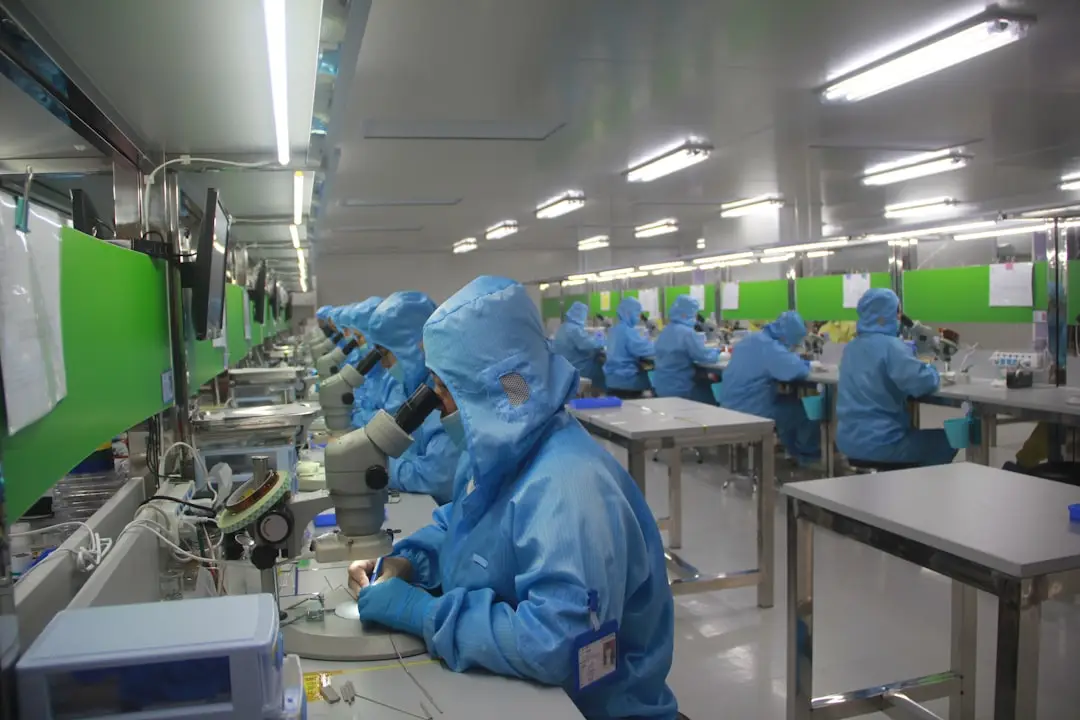
Power Efficiency Testing
LED modules, power supplies, and control components are evaluated under different operating loads to verify efficient energy use. Power testing helps optimize electricity consumption while maintaining stable brightness and dependable visual performance.
Continuous Operation Testing
Energy-saving LED displays undergo extended operating tests to evaluate brightness consistency, module stability, image output, and system reliability. Long-duration testing helps verify dependable performance for applications requiring long daily runtimes.
Thermal Performance Testing
LED modules, power supplies, and electronic components are monitored during operation to evaluate heat generation and dissipation. Efficient thermal management helps reduce thermal stress, protect components, and support stable long-term operation.
Power & Signal Stability Testing
Power distribution, receiving cards, processors, and signal connections are tested under working conditions to verify stable electricity and data transmission. Reliable system performance helps prevent flicker, interruptions, and inconsistent image output.